
The 56th meeting of the Board of the Global Fund to Fight AIDS, Tuberculosis and Malaria took place on 28–30 October 2026. Vitaly Djuma, ECOM Executive Director, participated in the meeting as a member of the Developed Country NGO Delegation.
One of the key decisions made at the meeting was the appointment of Mark Dybul as the new Executive Director of the Global Fund. The Developed Country NGO Delegation supported the decision.
Vitaly Djuma paid particular attention to the transition of countries to domestic financing for HIV, tuberculosis and malaria programmes. This issue is especially relevant to the EECA region, where reductions in international funding could significantly affect the availability of services for key populations.
According to Vitaly Djuma and the Developed Country NGO Delegation, a country’s readiness for this transition should not be assessed solely on the basis of established timelines. A key requirement is the existence of sustainable national systems capable of ensuring programme continuity after international support is reduced or discontinued. This includes developing community systems, supporting strong civil society organizations and maintaining services for key populations.
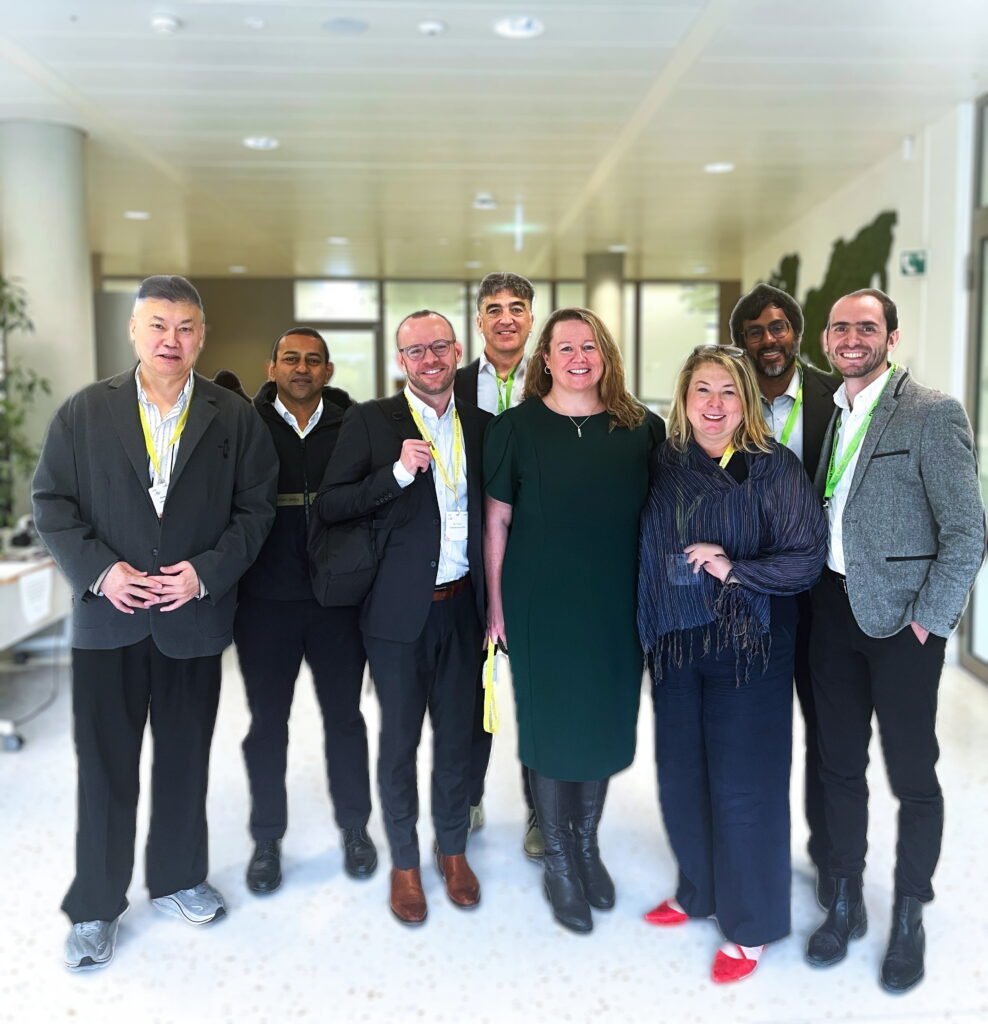
The Delegation called on the Global Fund Board to make the transition to domestic financing a standing priority in its work.
Another important topic discussed was the sustainability and protection of communities amid strategic changes in the Global Fund’s work. Despite grant reductions in most countries, Vitaly Djuma, together with the Delegation, advocated for maintaining funding for civil society organizations, community-led services, including community-led monitoring (CLM), and programmes addressing human rights and gender equality.
For ECOM, participation in international platforms such as this is an important part of its advocacy work. Representing the interests of LGBT people across the EECA region, ECOM advocates for changes in the international funding architecture that do not reduce access to services, weaken civil society organizations, or reduce community participation in decision-making.
