This column by the ECOM Legal Team is dedicated to Human Rights Day and is based on monitoring the human rights situation of LGBT people in Eastern Europe and Central Asia (EECA) in 2024–2025.
Human rights are the foundation of a fair and equal society. They form a framework that guarantees that every person, regardless of their background, is treated with dignity and respect. However, these fundamental freedoms are far from universal, and many communities — particularly LGBT+ people — continue to face systemic oppression and discrimination. Human Rights Day serves as a reminder of the progress achieved, and of the work that still lies ahead to achieve true equality worldwide.
Once again, we mark Human Rights Day amid profound political and legal changes across Eastern Europe and Central Asia. The war in Ukraine, the rise of restrictive legislation, and shifts in international support have rapidly narrowed the space for human rights work.
Regional Human Rights Situation
According to CIVICUS (2024), civic space in EECA countries is classified as narrowed (Armenia and Moldova), obstructed (Georgia and Ukraine), repressive (Kazakhstan and Kyrgyzstan), or closed (Azerbaijan, Belarus, Tajikistan, Turkmenistan, and Uzbekistan).
In recent years, Kyrgyzstan has adopted a law banning so-called “LGBT propaganda” among minors, as well as a law on “foreign representatives.” These laws have led to a crisis in the civil society sector: many NGOs have chosen to shut down or stop working on advocacy and human rights.
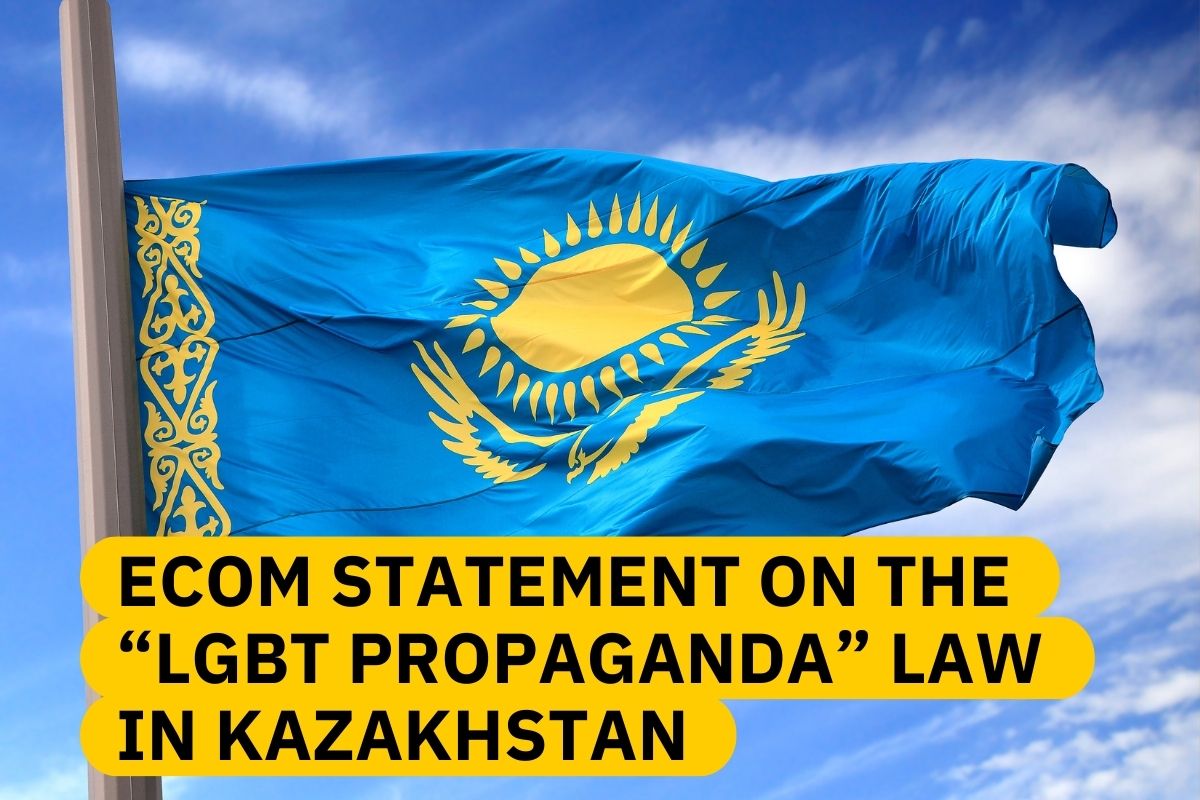
In Kazakhstan, on 12 November 2025, the Mazhilis (lower house of parliament) unanimously passed a new “LGBT propaganda” law supported by the ruling Amanat party.
In Tajikistan, according to Amnesty International, hundreds of organizations have been forced by law enforcement and security agencies to “voluntarily” suspend their activities.
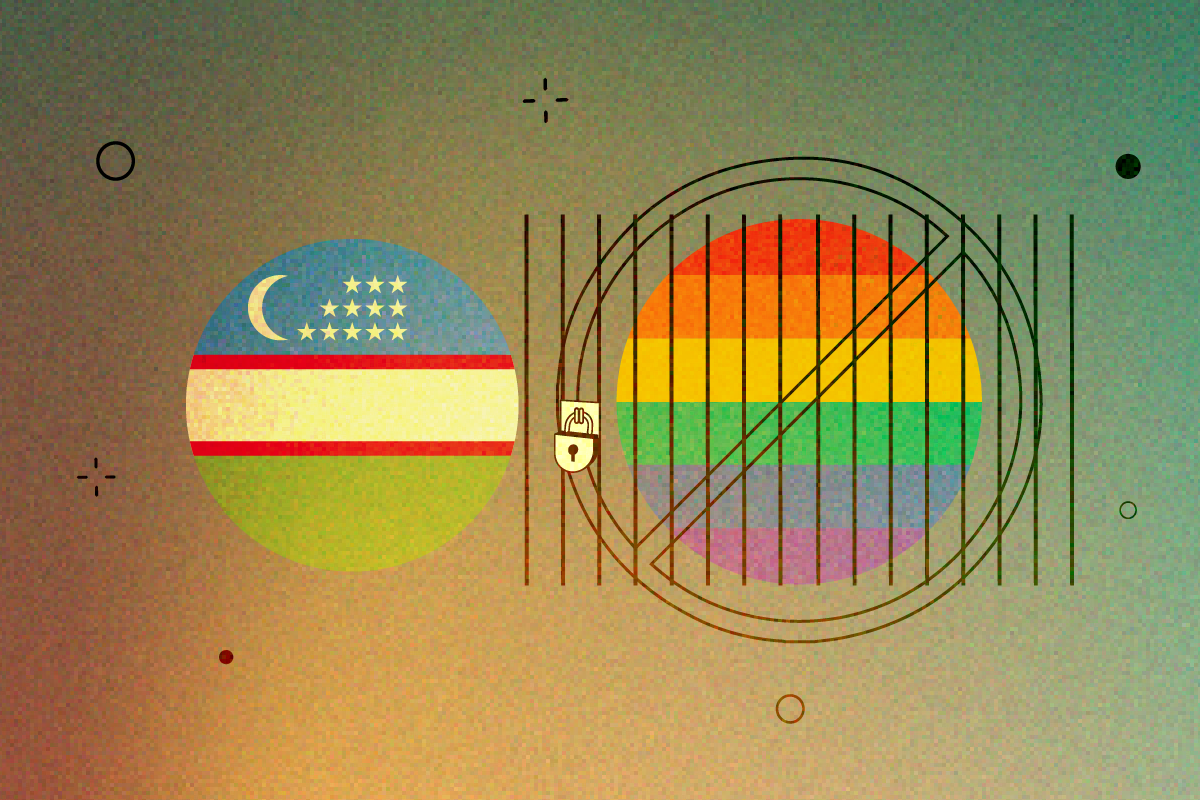
Uzbekistan and Turkmenistan remain the only countries in the region where consensual same-sex relations are criminalized. LGBT+ human rights defenders face constant danger and cannot work openly.
In recent years, the human rights situation in Georgia has sharply deteriorated. The adoption in 2024 of the Russian-style “foreign agents” law — requiring NGOs with foreign funding to register as “serving the interests of a foreign power” — sparked mass protests that were violently dispersed.
Despite the threat of heavy fines, organizations refused to register and faced an intimidation campaign ranging from threats and smear materials to physical attacks. Ahead of the 2024 elections, the government also adopted a package of 19 anti-LGBT+ laws banning legal gender recognition, hormone therapy, LGBT+ education and information, and related assemblies — further shrinking the space for activism.
In 2025, these restrictions intensified with the further advancement and implementation of the FARA law, solidifying repression against civil society. The law requires not only organizations but also individuals to register as “agents,” exposing both legal entities and private persons to criminal liability: fines or imprisonment for six months to five years.
Armenian authorities have taken no proactive steps to protect against discrimination, and political leaders avoid publicly supporting LGBT+ people. Homophobia remains high, reflected in reported hate crimes based on SOGI.
Since 2024, amendments to the law have recognized domestic violence committed by partners, former family members, or former partners — regardless of cohabitation status — which allows cases of violence in same-sex partnerships to be investigated under the domestic violence law.
In 2025, Azerbaijan was ranked among the two worst countries in Europe for LGBT people. LGBT activists face persecution, and not a single LGBT organization is registered in the country. The authoritarian regime severely restricts access to foreign funding.
According to the updated ILGA-Europe Rainbow Map, assessing compliance with LGBT+ rights, Belarus ranked 45th with just 10.16 out of 100 points. According to the Belarusian trans organization TG House, repression has intensified particularly in 2024–2025: more than 30 activists have been detained and interrogated, including with torture and forced “apology videos.”
In March 2024, Decree No. 24 equated any mention of LGBT+ people in public space with pornography. In July 2025, amendments to the Law “On the Rights of the Child” labeled “propaganda of homosexual relations, sex change, pedophilia, and childlessness” as harmful to children’s health, and in October 2025 the House of Representatives approved, in first reading, a bill introducing administrative liability for this.
Moldova remains a country with effective anti-discrimination legislation explicitly including SOGI. Laws and policies banning “conversion practices” are another positive step for LGBT+ people. Effective equality bodies and well-implemented action plans are equally important achievements.
ECOM continues to work across the EECA region to ensure that the rights of LGBT+ people remain visible and protected, even under pressure. We monitor and document violations, analyze systemic barriers, and prepare regional reports that help organizations and partners strengthen advocacy, engage international mechanisms, and advance accountability.
In 2025, ECOM:
- Supported more than 80 activists and human rights defenders facing danger and pressure.
- Together with country partners, submitted over 12 reports to UN bodies, including the UPR. This year, we provided comprehensive support to partners in Georgia and Kazakhstan engaging with UN human rights mechanisms.
- Collected over 180 cases of human rights violations in 5 countries of the region.
- Provided technical assistance for advocacy in the context of shrinking civic space in EECA.
On Human Rights Day, we want to remind everyone:
- Solidarity with LGBT+ people is essential — being present and offering support.
- Human rights strategies must be adapted to new legal realities to keep assistance possible and safe.
- Civic space must be defended through strong legal expertise, partnerships, and international engagement.
- Sustainability of LGBT initiatives must be preserved, even with reduced funding: supporting teams, services, and mutual aid.
- Documenting violations must continue to protect communities, ensure transparency, and advance accountability.