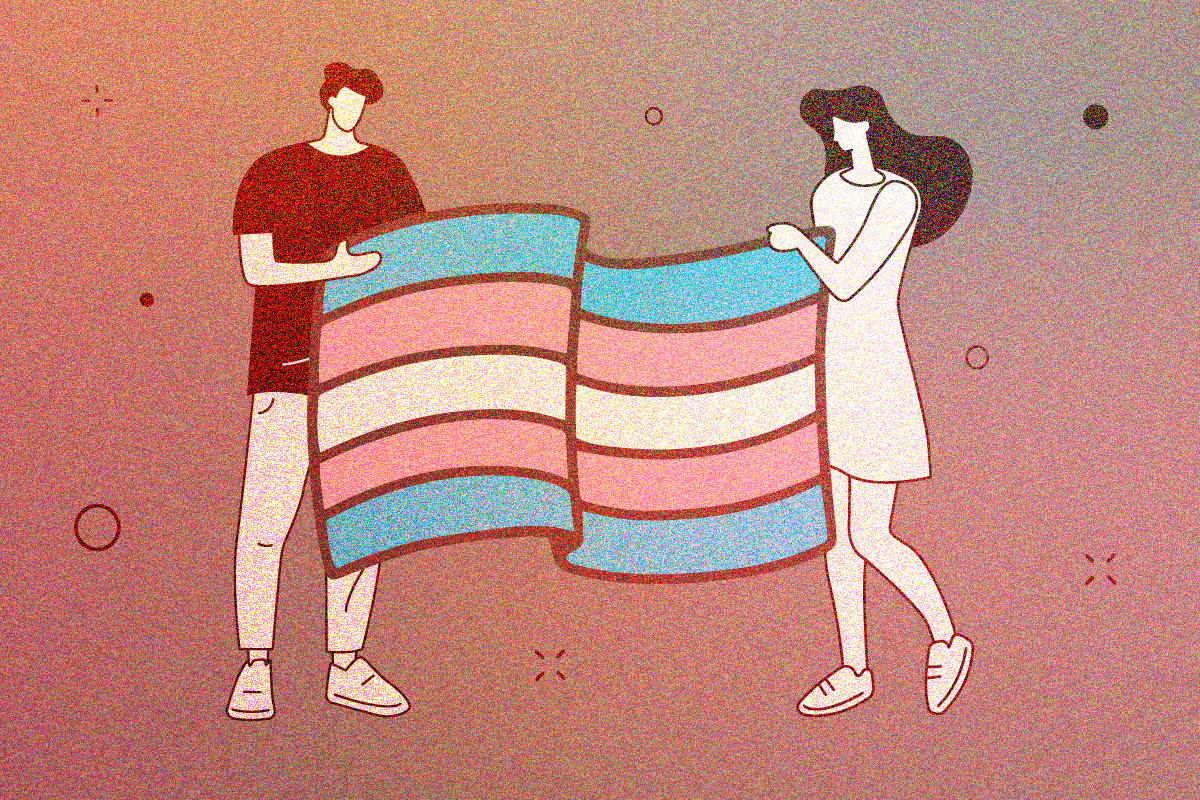
November 20th is Transgender Day of Remembrance worldwide — a date that commemorates those whose lives were taken by transphobia, violence and impunity. For ECOM and our member organizations across Eastern Europe and Central Asia, this date isn’t only a solemn reminder of these tragedies, but also an important moment for a sober assessment of the current situation regarding the rights and safety of the trans community.
According to international monitoring, 281 murders of transgender and gender non-conforming people were recorded in the last year alone. Since 2009, TGEU has recorded 5,322 murders worldwide. These statistics are invisible to most, but they’re all too familiar to those working with communities in Eastern Europe and Central Asia: trans people continue to face systemic threats that can’t be dismissed as isolated incidents. This is a complex issue — and that’s why it’s important to speak about it honestly and calmly.
Commemorating those who were killed isn’t only about mourning. It’s also a grounding point for moving forward. Yulia Familieva, ECOM member and trans activist from Ukraine, puts it clearly:
“Trans Day of Remembrance, honoring those who died due to transphobia, is a tragic date. But at the same time, this day inspires hope that trans activists and organizations from different countries who remember the dead can unite and overcome hostile attitudes toward trans people, dispel the myths that fuel stigma, give society a true understanding of who we are, and thus confidently move toward overcoming transphobia as a phenomenon”
These words reflect a core principle that guides our work with trans communities in the EECA region: change begins not with “heroic” gestures but with steady, consistent action — from ensuring access to quality healthcare and supporting trans initiatives to strengthening cooperation among organizations.
The year 2025 shows that transphobia doesn’t disappear on its own. But we also see that where safe spaces emerge, where government agencies are open to dialogue, and where activists and experts work together, levels of violence decrease and there’s a growing understanding that trans people’s rights are not a “special issue.” They are fundamental human rights that require no further “justification.”
Collected stories, research and the experience of activists — all of this forms the foundation on which a safer reality for trans people in our countries is built. And memory compels action. This action begins with recognizing trans people’s rights, their experiences and their contributions to our societies.