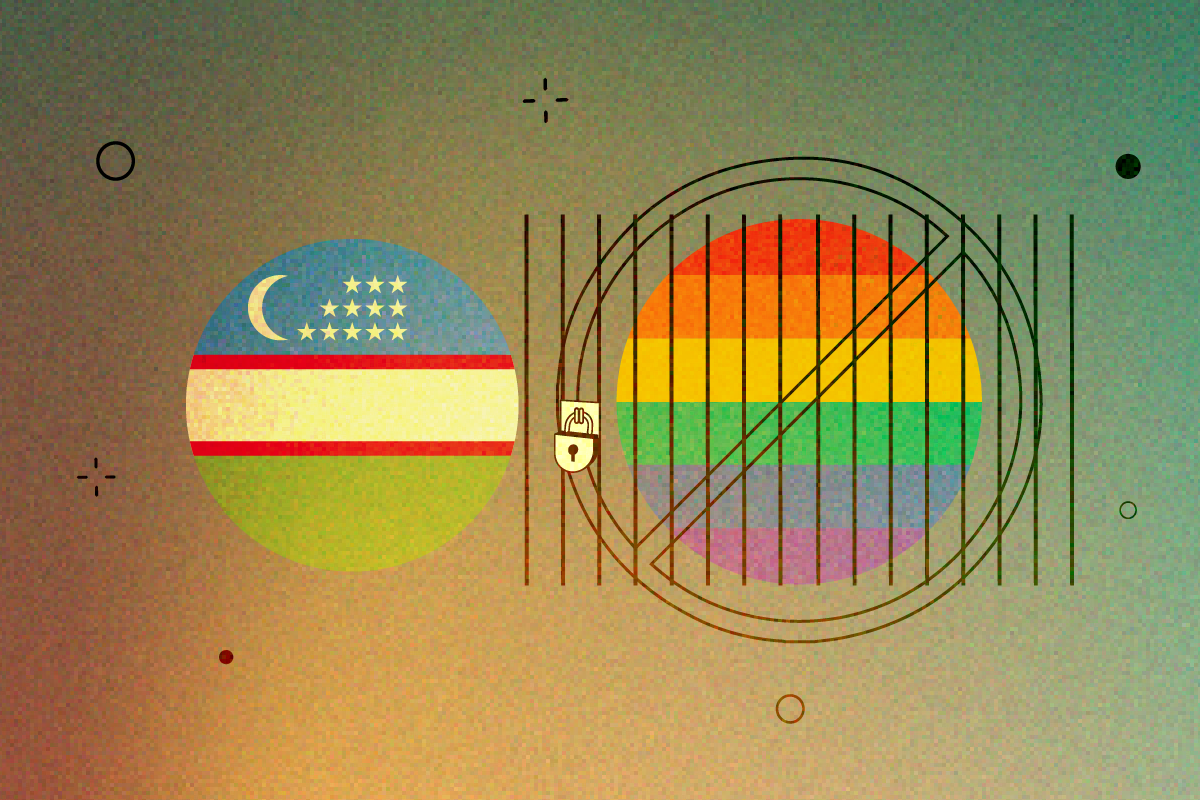
ECOM has published a new regional report, Between Law and Reality, an annual analysis of rights violations against LGBT people in seven countries of Eastern Europe and Central Asia: Armenia, Kazakhstan, Kyrgyzstan, Moldova, Tajikistan, Uzbekistan, and Ukraine.
In 2025, 647 cases of human rights violations against LGBT people were documented. The data were collected through the REAct monitoring system and analysed in accordance with international human rights standards, including the Yogyakarta Principles.
The figures reflect only part of the full picture. Many cases go unreported: in Uzbekistan, same-sex relations between men remain criminalised; in other countries, people do not seek help for fear of identity disclosure, blackmail by law enforcement, or simply a lack of access to support organizations.
What the data show
The documented cases are not isolated incidents. The analysis reveals consistent patterns: one violation often leads to another. In 34% of cases, multiple rights were violated simultaneously; 46% of cases involved multiple forms of pressure; and in 12.5% of incidents, multiple violators were involved.
The most common types of violations in 2025:
- Violence and threats to safety — 28.6% of cases: physical, sexual, and domestic violence, including by family members, partners, and strangers.
- Violations of privacy — 25.3%: outing, threats to disclose SOGI or HIV status, extortion. The threat of identity disclosure remains one of the main tools used to pressure LGBT people in the region.
- Denial of medical care and humiliating treatment — 15.6%: ranging from denial of emergency care to disclosure of medical data without the patient’s consent.
- Workplace discrimination — 14.7%: bullying, dismissals, pressure, refusal to pay wages.
Particular attention should be paid to 20 documented cases of “fake dates” — deliberate online approaches for the purpose of blackmail or violence. This tactic is used both by homophobic groups and law enforcement officers.
The highest number of cases was recorded in Ukraine (383 out of 647). This does not necessarily reflect a higher level of discrimination, but rather a more developed monitoring network, greater community trust, and increased vulnerability of LGBT people in the context of the ongoing war.
Country context
The situation varies significantly from country to country. In Uzbekistan, criminalization persists, with documented cases of torture, forced medical interventions, and threats from law enforcement agencies. In Tajikistan, arbitrary detention, sexualized violence by police, and blackmail through threats of criminal prosecution were documented. In Kazakhstan, mass raids on LGBT-friendly spaces and online harassment were reported; in November 2025, a law banning so-called “LGBT propaganda” was adopted there. Public calls for violence by politicians were recorded in Moldova. In Ukraine, violations shifted toward employment, housing, and services in the context of wartime.
“Homophobic and transphobic attitudes are intensifying in the region — this is especially noticeable in countries adopting anti-LGBT laws. At the same time, LGBT communities continue to be used in political rhetoric. For example, this is currently happening in Armenia ahead of the June 2026 elections.
In a context of shrinking civic space, monitoring violations of LGBT people’s rights allows us to track trends and identify emerging risks. This, in turn, enables systemic support for LGBT communities in EECA countries,” say experts from ECOM’s legal team.
A recording of the report presentation is available on YouTube
The full text of the report Between Law and Reality is available in the ECOM library.
ECOM has been conducting systematic monitoring of LGBT rights violations since 2017.